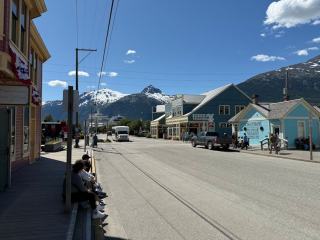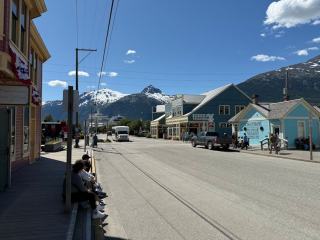

The Alaska housing market operates differently from every other state in the US due to its geography, climate, and economic structure. Anchorage, the state's largest city, accounts for the bulk of residential transactions and offers a range of single-family homes, condos, and townhouses at median prices in the $380,000 to $480,000 range. Outside Anchorage, the market fragments dramatically: Fairbanks operates as a distinct interior market, while communities like Juneau, Sitka, and Kodiak are accessible only by air or sea, which limits buyer pools and constrains price appreciation.
What drives Alaska housing demand
Alaska's economy is anchored by oil production, federal government employment including military bases at Joint Base Elmendorf-Richardson and Fort Wainwright, fishing and seafood processing, and a tourism sector that has grown substantially over the past decade. When oil prices fall, state revenues contract and the housing market softens. When oil is strong, demand rises and inventory tightens. Federal employment at military bases provides a counterbalancing stabilizer that keeps the Anchorage market from tracking oil price swings as directly as interior communities.
Financing and property considerations unique to Alaska
Most standard US mortgage products apply in Alaska, including conventional, FHA, VA, and USDA loans where applicable. However, rural Alaska properties in remote communities often require cash purchases or specialized portfolio lending because standard appraisal methodology breaks down when comparable sales are absent or years old. Buyers considering rural Alaska properties should also budget for significantly higher utility costs, fuel delivery expenses, and the logistical complexity of home maintenance in extreme climates where heating season can run nine months of the year.