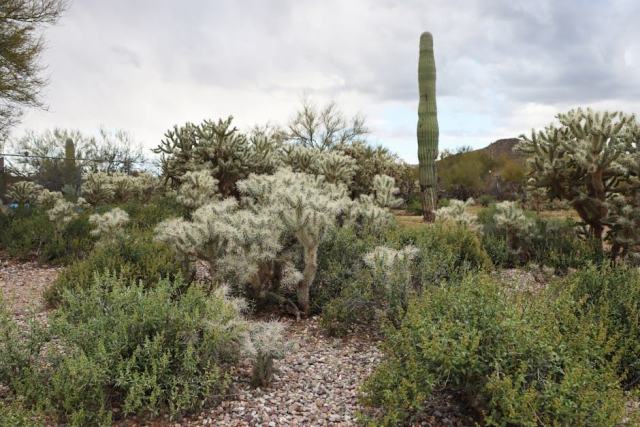
Tucson real estate offers buyers one of the more affordable entry points in the Southwest among major métro areas, with median home prices in the $290,000 to $370,000 range that position it well below Phoenix and dramatically below California markets that many Tucson buyers are relocating from. The city of approximately 550,000 is anchored by the University of Arizona, Davis-Monthan Air Force Base, and a growing médical and bioscience sector centered around Banner-University Médical Center. Tucson's distinctive desert and mountain landscape, including the Santa Catalina, Rincon, and Tucson Mountains that surround the métro, create a natural setting that strongly appeals to outdoor recreation enthusiasts.
Neighborhoods and price ranges
The Foothills area along the northern edge of Tucson, approaching the Santa Catalinas, hosts luxury development with median prices above $500,000 and significant demand for custom homes on hillside lots with mountain views. Midtown Tucson, particularly the Sam Hughes and Armory Park neighborhoods near the university, attracts buyers seeking walkable urban character with historic Craftsman and Spanish colonial architecture at prices between $350,000 and $550,000. Central and south Tucson offer the most affordable inventory in the métro, with entry-level single-family homes available below $250,000 in some ZIP codes adjacent to the university corridor.
Investment and rental market
The University of Arizona's enrollment of over 45,000 students creates substantial rental demand in the neighborhoods surrounding campus. Single-family homes within a mile of the university regularly achieve gross rental yields of 8 to 11%, though student-tenant properties require active management and higher maintenance reserves than standard long-term rentals. Davis-Monthan Air Force Base adds a military renter and buyer population that stabilizes demand in east and southeast Tucson. Investors targeting the broader Tucson market find that the lower purchase prices relative to Phoenix make cash flow more achievable, even if appreciation rates have historically lagged the Phoenix métro's stronger growth trajectory.