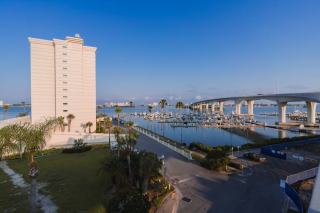

The Florida real estate market is one of the most active in the United States, driven by domestic and international migration, no state income tax, and year-round climate that appeals to retirees, remote workers, and investors. Statewide median home prices run around $410,000, with dramatic variation between high-demand coastal metros like Miami, Fort Lauderdale, and Naples, and more affordable inland markets like Lakeland, Ocala, and Gainesville. Single-family homes dominate suburban inventory, while condos and townhouses are prevalent in coastal urban corridors and planned retirement communities.
Financing Florida property: loans, insurance, and costs buyers must know
Florida buyers use a range of financing products. FHA loans are widely applicable in Inland markets and many Tampa Bay, Orlando, and Jacksonville zip codes where prices remain within county loan limits. VA loans are heavily used given the large military présence at bases including NAS Jacksonville, MacDill Air Force Base, and Patrick Space Force Base. Conventional loans cover most mid-range suburban transactions, while jumbo loans are standard in Miami-Dade, coastal Palm Beach County, and Naples. Down payments of 10-20% are typical for conventional purchases, and many Florida condo buildings require additional lender review under Fannie Mae and Freddie Mac guidelines.
Florida-specific costs that every buyer must budget for include homeowners insurance, which has risen dramatically in récent years and now averages $2,000-$6,000+ annually depending on location and construction type, and flood insurance for properties in FEMA flood zones. HOA fees in gated communities and planned developments range from $100 to $800 per month. For investors, cap rates on single-family rentals run 4-6% in most Florida metros, with stronger yields in the Suncoast, Space Coast, and Panhandle régions. Our city-by-city guides cover pricing, insurance estimates, and neighborhood data across the state.