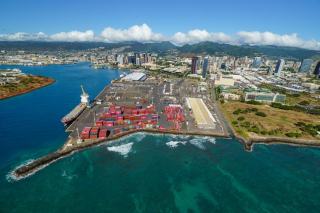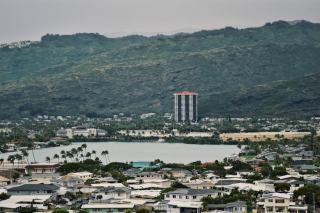

Hawaii real estate operates as a collection of distinct island markets rather than a single statewide market, each with its own supply constraints, buyer profiles, and investment dynamics. Oahu, anchored by Honolulu, carries the highest transaction volume and the broadest range of property types from downtown condos to suburban single-family homes. Maui attracts luxury buyers and vacation home investors, with median prices for single-family homes regularly exceeding $1.2M. The Big Island and Kauai offer lower entry points and more land, with varying infrastructure quality by location.
Financing and ownership structure
Buyers financing Hawaii homes face a market where conforming loan limits are higher than the national baseline given the state's high-cost désignation, but jumbo products are still needed across much of Oahu and Maui. Leasehold properties, where buyers own the structure but lease the underlying land from a large landowner, are common in certain Honolulu condo buildings and require careful review of lease expiration dates and escalation terms. Fee simple ownership, where both land and structure are owned outright, is generally preferred and commands a premium over comparable leasehold units.
Investors tracking Hawaii rental yields find gross cap rates in the 3-5% range on Oahu and Maui single-family homes, with Honolulu condos performing similarly after HOA fees. Short-term vacation rental ordinances have tightened significantly on Oahu and Maui, limiting the pool of legally operating STR properties and increasing the premium on grandfathered STR-eligible units. VA loans are widely available given the large military présence at Pearl Harbor and Schofield Barracks. Working with a buyer's agent experienced in island-specific market nuances is the most reliable way to navigate leasehold risk, HOA financial health review, and compétitive offer stratégies in this high-demand market.