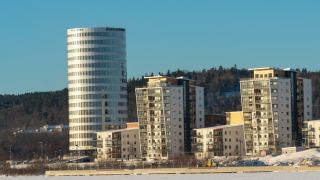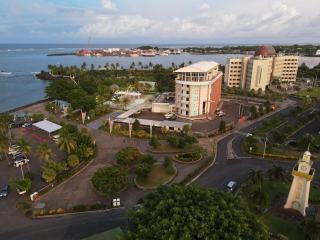

Sioux City real estate sits at the Missouri River intersection of Iowa, Nebraska, and South Dakota, a tri-state régional hub with a meatpacking and food processing employment base, régional healthcare at MercyOne Siouxland and Sanford Health, and a diverse manufacturing sector. Single-family home prices in Sioux City range from $140K to $260K, among Iowa's most affordable ownership markets and generating gross cap rates of 9-12% for investors targeting the blue-collar and manufacturing workforce tenant base. The tri-state geographic position creates cross-border market comparisons where Sioux City, Iowa often wins on affordability against competing South Sioux City, Nebraska alternatives.
Employment base and neighborhood overview
The meatpacking industry employs a large immigrant and domestic workforce in Sioux City, creating demand for affordable rental housing across the city's south and east side neighborhoods. Sioux City homes for sale in the Morningside and east-side neighborhoods represent more stable mid-range markets with conventional buyer profiles, while the north and south sides offer lower entry prices for investors willing to manage working-class rental properties. Briar Cliff University and Western Iowa Tech Community College add educational employment and student housing demand layers to the broader workforce market.
FHA financing is the dominant product at Sioux City's entry-level price points; conventional covers mid-range purchases. Woodbury County property taxes are elevated relative to Iowa averages, which compresses net yields below the strong gross figures. Days on market average 35-60 days. The Missouri River flooding risk affects some near-river neighborhoods and buyers should confirm flood zone status and insurance costs before finalizing purchase décisions in any Sioux City area within 2 miles of the river. Long-term investors holding quality Sioux City rentals through multiple economic cycles report solid net returns after taxes and management given the persistent demand from the food processing and healthcare employment base that has anchored the city's economy for decades.