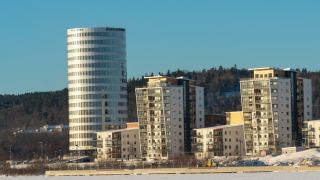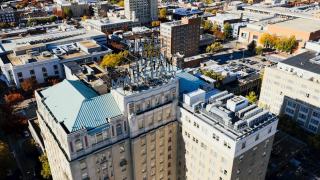

Lafayette real estate sits at the heart of Cajun Country in south-central Louisiana, driven by the oil and gas industry, the University of Louisiana at Lafayette, and a régional healthcare sector anchored by Our Lady of Lousiana. Lafayette is Louisiana's fourth-largest city and has developed a growing technology and business services sector that has diversified the economy beyond its traditional energy base. Median home prices in Lafayette run from $220,000 to $400,000, with premium neighborhoods like River Ranch and Shadowbrook Estates at the upper end and more affordable inventory in the north and east parts of the city accessible to first-time buyers.
Financing in Lafayette, Louisiana
Flood insurance is a significant cost factor in Lafayette, where many neighborhoods fall within FEMA Spécial Flood Hazard Areas following persistent flooding events. Buyers should verify flood zone designations, request elevation certificates, and get flood insurance quotes before closing on any property. FHA loans serve first-time buyers across Lafayette's price spectrum, with 3.5% down payments of $7,700 to $14,000 on median-priced homes. Conventional loans are preferred by move-up buyers with 20% equity from a prior home. Lafayette Parish property taxes average approximately 0.6% to 0.8% of assessed value annually.
Title insurance at closing is standard and costs $1,000 to $1,800 for owner's coverage on typical Lafayette transactions. Escrow accounts for taxes, homeowner's insurance, and flood insurance are required on flood-zone properties. Average days on market on the Lafayette MLS runs 25 to 45 days for well-priced listings, with River Ranch and Youngsville markets seeing the fastest absorption due to consistent buyer demand from energy and healthcare professionals.
Rental investors in Lafayette target UL Lafayette students and oil industry workers, with gross yields on single-family homes averaging 6% to 9% and cap rates on small multifamily properties running 7% to 10% on stabilized assets. The oil price cycle creates periods of compressed rental demand that investors should factor into vacancy assumptions. During up-cycle energy markets, Lafayette's rental occupancy is among the highest in Louisiana.