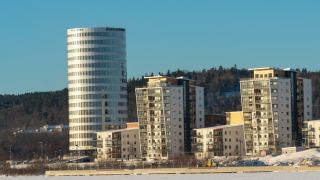

St. Paul real estate offers buyers an entry point into the Twin Cities métro that is typically 10–15% below comparable Minneapolis properties. Minnesota's state capital combines historic Victorian and Craftsman neighborhoods like Summit-University and Cathedral Hill with more affordable working-class areas in the East Side and Frogtown. Median home prices in St. Paul range from $220,000 to $320,000, making FHA loans a practical tool for first-time buyers who want to minimize upfront capital. The MHFA Start Up program provides down payment assistance and below-market interest rates for qualifying buyers purchasing in St. Paul.
Investment market and rental yields
St. Paul's rental market serves a large population of cost-burdened households who cannot yet afford homeownership. Cap rates on two- and four-unit rental properties in neighborhoods like Dayton's Bluff and Payne-Phalen typically range from 6–8%, higher than comparable Minneapolis properties. The price-to-rent ratio in St. Paul sits closer to 17–19, which allows some neighborhoods to produce reasonable gross yields while still offering appreciation potential. Multi-unit landlords should note that Ramsey County has implemented rent stabilization policies — buyers should review the current ordinance before underwriting any rental acquisition in St. Paul.Property taxes in St. Paul carry effective rates near 1.2–1.5% of market value in Ramsey County, with homestead credits available to owner-occupants. Closing costs for Minnesota buyers run 2–4% and include the state deed tax paid by the buyer, title insurance, lender fees, and recording charges. VA loans are widely used among St. Paul's veteran population. Conventional loans with 3–5% down are common for buyers above FHA income thresholds, and the MHFA Step Up program assists repeat buyers who need mortgage assistance for a move-up purchase.