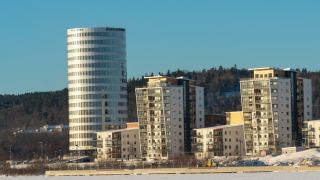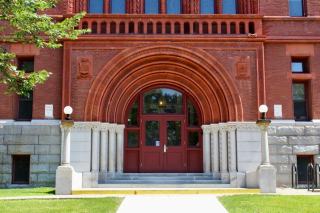

The Sioux Falls housing market anchors South Dakota's economy — the state's largest city with a diverse employer base spanning Citibank, Wells Fargo, Sanford Health, Avera Health, Tyson Foods, and a growing logistics and distribution sector along I-29. Median home prices average around $300,000, reflecting consistent population growth from in-migration that has made Sioux Falls one of the country's faster-growing mid-sized cities for several consecutive years. The city's no state income tax environment and relative housing affordability compared to Minneapolis, Denver, and Omaha attract remote workers and corporate relocatees in meaningful volumes.
Sioux Falls neighborhoods and investment data
The downtown Falls Park district and adjacent neighborhoods carry the city's highest-demand ownership inventory — renovated bungalows and newer infill from $290,000 to $550,000 with walkable access to restaurants and trails. The South Sioux Falls and Tea/Harrisburg area — the city's fastest-growing southern corridor — delivers new construction from $320,000 to $520,000 popular with families. North and east Sioux Falls offer more affordable starter inventory from $220,000 to $340,000. Single-family rental yields average 6–8.5% across the market, with vacancy rates near 4–5% sustained by the financial sector renter pool and healthcare worker in-migration.
Sioux Falls property taxes average 1.2–1.5% effective rate — below the national median and modest by Great Plains standards. No state income tax effectively increases take-home for owner-occupants and investors relative to most comparable metros. South Dakota Housing Development Authority programs assist first-time buyers. Rénovation costs average $65–$110 per square foot on Sioux Falls' mix of postwar and newer construction. Buyers competing below $330,000 in desirable south Sioux Falls school districts should expect active buyer compétition and limited contingency tolerance from sellers in this supply-constrained segment.