The Arizona real estate market has been one of the most dynamic in the US over the past decade, with the Phoenix metropolitan area recording some of the strongest price growth in the country from 2020 to 2022. Median home prices across the state range from around $220,000 in affordable rural communities and secondary cities to over $700,000 in parts of Scottsdale and Paradise Valley. The combination of no state income tax on Social Security benefits, warm weather, and relatively affordable property compared to California has made Arizona a top destination for retirees, remote workers, and people relocating from coastal markets.
Key markets across Arizona
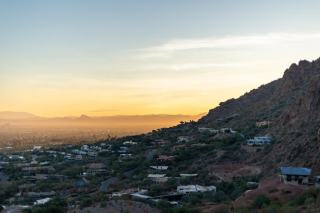
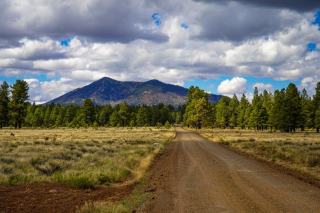
The Phoenix metropolitan area, which includes Chandler, Gilbert, Tempe, Mesa, Glendale, and Scottsdale, dominates Arizona real estate activity. Scottsdale is the luxury anchor, with median prices well above $600,000 and significant demand for resort-adjacent and golf community properties. Tucson offers a substantially more affordable alternative, with median prices in the $280,000 to $350,000 range and a University of Arizona-driven economy that supports consistent rental demand. Flagstaff, at 7,000-foot elevation in northern Arizona, is a distinct mountain market with colder winters and prices elevated by limited buildable land and proximity to skiing at Arizona Snowbowl.
Investment and retirement market dynamics
Arizona's active adult and retirement communities, particularly in the Surprise, Goodyear, and Chandler areas, represent a significant segment of the purchase market. Del Webb and other age-restricted builders have established large-scale communities across the Phoenix métro where buyers 55 and older purchase single-family homes with HOA-managed amenities. Cap rates on single-family rentals in the greater Phoenix area compressed significantly during the 2020-2022 boom but have improved somewhat as prices moderated in 2023, with investors targeting long-term cash flow rather than near-term appreciation finding better entry points in Mesa, Peoria, and Avondale than in premium Scottsdale submarkets.