
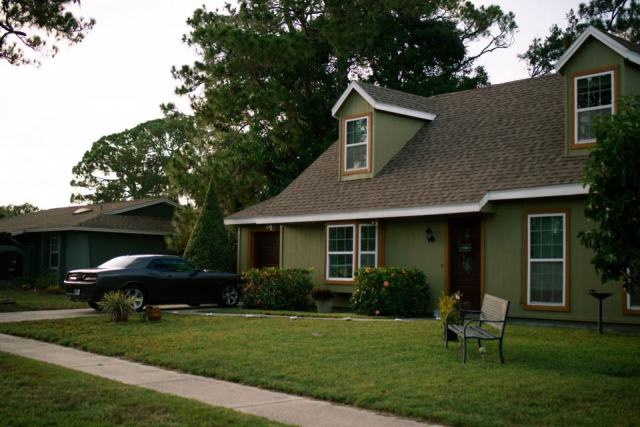
A €180,000 apartment generating €850 in monthly rent might seem like a reasonable investment in France. But what if the building needs major repairs, the energy rating threatens its rental eligibility, or similar apartments sell for €150,000? Suddenly, the numbers tell a different story.
France offers attractive opportunities for property investors, from compact apartments in Lyon to family homes in Toulouse and student accommodation in Lille. Yet buying rental property involves far more than comparing asking prices and expected rental income.
The French property market has its own legal, technical and financial complexities. Understanding them before signing a purchase agreement can make the difference between a profitable long-term investment and an expensive mistake.
Why the French Property Market Requires Careful Evaluation
France is not a single, uniform property market. An apartment in central Paris, a renovated townhouse in Bordeaux and a two-bedroom flat in Saint-Étienne operate under very different economic conditions.
Purchase prices, tenant demand, maintenance costs and rental regulations vary considerably between locations. Even within the same city, two neighbouring districts can offer dramatically different investment prospects.
Market Value Is Not the Same as the Asking Price
Consider a 55-square-metre apartment advertised for €190,000 in a residential neighbourhood of Nantes. The listing highlights its recent renovation, convenient transport links and potential monthly rent of €850.
At first glance, the asking price may appear justified. However, comparable apartments with similar characteristics might have recently sold for approximately €165,000. Paying the advertised amount would mean accepting a substantial premium.
This is where consulting a real estate expert can provide valuable perspective. An independent valuation examines the property's characteristics, location, condition and comparable transactions to establish a more reliable estimate of its market value.
In France, this market value is commonly referred to as valeur vénale. It represents the estimated price a property could achieve under normal market conditions, rather than the amount a seller hopes to receive.
The Centre National de l'Expertise (CNE), a French network of property valuation specialists established in 2004, promotes structured and independent approaches to real estate appraisal. Its members work on residential properties, commercial premises and other property-related valuation assignments.
For investors unfamiliar with local pricing, an independent valuation can reveal whether the proposed purchase price reflects market conditions. It can also provide a stronger foundation for negotiations.
Location Determines More Than Rental Demand
Paris benefits from extensive public transportation, universities and a large employment market. However, high acquisition prices and rent-control regulations can limit achievable rental yields.
In cities such as Lille, Rennes and Montpellier, universities and employment centres contribute to demand for smaller rental properties. The strength of that demand still depends on the neighbourhood, available housing supply and the apartment's characteristics.
Meanwhile, some smaller French cities offer significantly lower purchase prices. Their apparent affordability can be attractive, but investors must pay close attention to population trends, local employment and vacancy risks.
A cheap apartment is not automatically a bargain. If tenants are difficult to attract or resale demand is weak, a seemingly generous rental yield may prove disappointing.
An experienced professional can examine recent transactions, neighbourhood conditions and competing rental properties. This helps investors distinguish a genuinely undervalued asset from a property whose low price reflects underlying weaknesses.
Jump to a section
What a Property Expert Should Check Before You Invest
French property listings typically provide floor area, photographs, energy information and an asking price. These details are useful, but they rarely tell the whole story about a building's financial and technical condition.
Before committing capital, investors need to understand both the property's current value and the expenses required to keep it legally rentable. Overlooking either can seriously undermine profitability.
Property Condition and Energy Performance
France has introduced increasingly demanding energy-efficiency requirements for residential rental properties. These rules make the Diagnostic de Performance Énergétique, commonly called the DPE, an essential consideration for investors.
Since January 1, 2025, properties rated G have generally been prohibited from being rented under residential leases in metropolitan France, including when leases are renewed or tacitly extended. The restrictions will extend to F-rated properties in 2028 and E-rated properties in 2034.
These deadlines have major implications for anyone purchasing an older apartment. A discounted property with poor insulation may require substantial renovation before it can generate lawful rental income.
Take a €130,000 apartment in Grenoble with an F energy rating. Its attractive purchase price could become much less appealing if upgrading insulation, heating and ventilation adds €30,000 to the project budget.
And that is only one consideration. In apartment buildings, renovation work may also depend on decisions made by the condominium association, known in France as the copropriété.
Before purchasing, investors should organise several essential checks:
- Valuation: Compare prices with recent local transactions.
- Energy: Examine DPE ratings and renovation obligations carefully.
- Building: Review structural issues and planned collective repairs.
- Rental market: Verify achievable rents and local demand.
A property valuation expert can assess market value and incorporate observable characteristics into the appraisal. However, technical building inspections, certified diagnostics and specialised construction assessments may require separate qualified professionals.
This distinction matters. A valuation report should not be mistaken for a complete structural survey or an official energy performance diagnosis.
Rental Yield After Expenses
Rental investment advertisements often emphasise gross rental yield. The calculation is straightforward: divide annual rental income by the purchase price, then multiply by 100.
Suppose an apartment in Toulouse costs €200,000 and rents for €900 per month. Annual rental income would reach €10,800, representing a gross rental yield of 5.4%.
But investors rarely receive the entire rental amount as profit. Property ownership generates recurring expenses, some of which can be difficult to predict without proper investigation.
For example, annual non-recoverable property tax might cost €1,100, condominium charges payable by the owner €1,200, insurance €250 and maintenance provisions €800. Add €700 for potential vacancy and €750 for rental management.
These illustrative expenses total €4,800 annually, leaving €6,000 in operating income. The resulting yield falls to 3% of the purchase price, before financing costs, acquisition expenses and personal taxation.
The actual return could be lower once mortgage interest, purchase taxes, notary-related costs and initial renovation work are considered. Conversely, a well-maintained property with consistent occupancy may perform more favourably. This article does not replace professional advice: before committing, consult a financial adviser or a notary about the financing and tax side of the purchase.
This is why realistic expense estimates are essential. An appraisal helps establish an appropriate acquisition value, while a detailed financial assessment tests whether the investment remains attractive after operating costs.
Investors exploring this approach can also consult practical guidance on property expertise and rental investment to better understand how professional assessment supports investment decisions.
How to Secure a Rental Property Investment in France
Successful rental investment requires more than finding an apartment with a promising advertised return. The acquisition process, ownership structure, tenant regulations and local tax environment all influence the outcome.
International buyers face additional challenges, particularly when they are unfamiliar with French administrative procedures. Working with appropriately qualified local professionals can prevent costly misunderstandings.
Understand the French Buying Process
In France, property purchases normally involve a notaire, a public legal officer responsible for authenticating the deed and completing essential legal formalities. The notaire's role is different from that of an independent property valuation expert.
Buyers typically begin with an offer, followed by a preliminary agreement such as a compromis de vente or promesse de vente. The final transfer of ownership takes place when the authentic deed is signed.
For qualifying residential buyers, a statutory withdrawal period of ten days generally applies after notification of the preliminary agreement. Financing conditions and other contractual provisions may also protect the buyer.
However, those protections do not remove the need to investigate the property beforehand. Once contractual commitments become binding, discovering overlooked defects can be especially problematic.
In older properties, total acquisition expenses often include transfer duties, notarial fees and other charges that can add a substantial percentage to the purchase price. These costs should be incorporated into the investment budget from the outset.
For apartments in co-owned buildings, buyers should examine condominium meeting minutes, financial information and planned works. A forthcoming roof replacement or façade renovation can create significant additional expenses for owners.
The Centre National de l'Expertise illustrates the importance of specialist knowledge in property transactions. Through its nationwide network, technical resources and professional training activities, the organisation supports valuation expertise across different types of French real estate.
Its work also covers professional development in areas such as property law, urban planning, building defects and valuation techniques. Such knowledge helps establish a disciplined approach to property assessment.
Nevertheless, the expertise required should always match the transaction. A valuation expert, a certified diagnostician, a notaire and a tax adviser perform different functions, and their findings may complement one another.
Rental Regulations and Taxation Can Change the Numbers
France distinguishes between unfurnished rental income and income from furnished accommodation. The taxation of these activities can differ significantly, particularly regarding deductible expenses and applicable tax regimes.
Unfurnished rental income generally falls under the revenus fonciers framework, while furnished rental activity is usually taxed within the bénéfices industriels et commerciaux category. Specific eligibility thresholds and accounting requirements may apply.
Investors should also consider the taxe foncière, the annual property tax generally payable by owners. Its amount depends on the property and local taxation decisions.
Rent regulation deserves equal attention. In certain French municipalities, including Paris and Lille, regulated reference rents can restrict the maximum rent chargeable for qualifying residential leases.
A projected monthly rent of €1,100 cannot simply be assumed if local rules establish a lower permitted amount. Investors need to verify the applicable restrictions before building their financial forecasts.
Rental income taxation may also differ depending on whether the owner is resident in France or abroad. International investors should seek advice on French taxation and any relevant double-taxation treaty.
For those financing their purchase with a mortgage, interest rates, borrowing conditions and insurance requirements affect monthly cash flow. French lending rules can also influence the amount an investor is able to borrow.
A sensible approach is to prepare several scenarios rather than relying on a single optimistic forecast. One should account for normal occupancy, another for temporary vacancy, and a third for major unexpected expenditure.
Consider what happens if an apartment remains empty for three months while its owner continues paying mortgage instalments and condominium charges. A property that looked comfortably profitable may suddenly require additional personal funds.
Personally, I would favour a fairly priced apartment with a solid DPE rating and demonstrable tenant demand over a heavily discounted property requiring uncertain renovations. Predictability has financial value.
Independent valuation, careful financial modelling and qualified legal advice give buyers a much clearer picture of what they are purchasing. They do not eliminate investment risk, but they help prevent avoidable mistakes.
France offers genuine opportunities for long-term rental investors. The strongest projects are not necessarily those advertising the highest yields, but those supported by realistic property values, manageable expenses and a sustainable rental strategy.
FAQ
Do I need a property expert before buying rental property in France?
An independent valuation is not generally mandatory when purchasing residential rental property in France. However, consulting a qualified property expert can help establish market value, identify pricing inconsistencies and support negotiations. It is particularly useful for older buildings, unusual properties or acquisitions involving substantial renovation costs.
Can foreigners buy rental property in France?
Yes, foreign nationals can generally purchase residential property in France, including for rental investment. Ownership does not automatically grant residency rights. International buyers should examine financing arrangements, French property taxes, rental regulations and any tax obligations in their country of residence.
What is a good rental yield in France?
There is no universal target. Rental yields vary according to location, property condition, purchase price and operating expenses. A lower-yielding apartment in a strong rental market may be preferable to a higher-yielding property with substantial vacancy or renovation risks. Compare net returns rather than advertised gross yields.
Can I rent out a property with a poor DPE rating in France?
In metropolitan France, G-rated homes have generally been ineligible for residential rental since January 2025, including relevant lease renewals. Restrictions are scheduled to extend to F-rated homes in 2028 and E-rated homes in 2034. Investors should verify current regulations and any applicable exceptions before purchasing.