
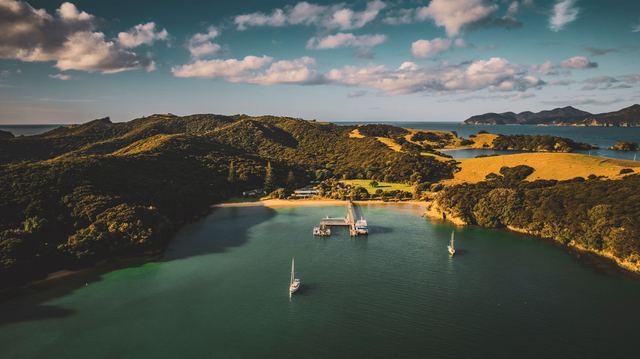
Cruz Bay real estate on St. John commands some of the highest prices in the US Virgin Islands, driven by the island's extraordinary natural setting: the National Park Service manages almost 58 percent of the land area of St. John. Properties here range from hillside villas with panoramic Caribbean views to smaller cottages near the Cruz Bay waterfront, all in extremely limited supply given the land conservation constraints.
What buyers must know about St. John real estate
Home inspections in Cruz Bay run $500-$800 given the specialist nature of island construction and access challenges. Hurricane insurance is mandatory for financed properties and represents a substantial annual cost. Agent commissions are typically 5-6% of the sale price. Cruz Bay vacation rental properties generate among the highest nightly rates in the entire US Caribbean, with well-positioned villas commanding $1,000-$5,000 per night during peak season.
Closing in the USVI typically takes 45-60 days. USVI property taxes are low despite the elevated asset values. Buyers should thoroughly investigate cistern capacity, solar and battery backup systems, and road access before committing on remote hillside properties, a concern shared by buyers looking at Coral Bay homes on the quieter east end of St. John. Sellers benefit from extremely limited competing inventory and strong demand from high-net-worth buyers seeking privacy, natural beauty, and the security of US jurisdiction ownership. Buyers who want more land for the money often compare St. John with Christiansted real estate on St. Croix.
Jump to a section
Why buildable land is so scarce around Cruz Bay
Virgin Islands National Park was established in 1956. According to the National Park Service, it now includes 7,259 acres of terrestrial and shoreline habitat on St. John, covering most of the north shore and most of the central and southeast portions of the island. Private land is therefore concentrated around Cruz Bay, Coral Bay and a handful of hillside estates. New supply comes mainly from resales and from steep lots where access roads, retaining walls and foundations push building costs well above mainland levels. When a parcel borders park land, check its exact boundaries on the recorded survey before you rely on a view or a beach path.
Property tax rates and yearly running costs
The territory's residential property tax rate is 0.377 percent, against 0.711 percent for commercial property, as reported by the St. Croix Source from the Virgin Islands Code. Ask the Tax Assessor's office, part of the Office of the Lieutenant Governor, how the home is currently classified and assessed, and request the latest bills from the seller. Taxes are only one line of the budget: plan for insurance, property management if you live off-island, landscaping on steep lots, pool care, generator or battery servicing and regular cistern maintenance.
Hurricane history and insurance questions
In September 2017, two major hurricanes, Irma and Maria, struck the US Virgin Islands, as the Government Accountability Office recalls. Many St. John homes were repaired or rebuilt afterwards, so ask for the permits and contractor invoices for that work, the age of the roof and how it is fastened, and whether openings have shutters or impact-rated glass. Get a written insurance quote before your offer becomes binding: the premium and the windstorm deductible can change the real yield of a rental villa far more than a small difference in purchase price.
Water supply: cisterns and rain catchment
Most homes around Cruz Bay collect rainwater from the roof into a cistern. The Department of Planning and Natural Resources (DPNR) notes in its rainwater catchment guide that the first 10 minutes of a rain event produce and move the most sediment, which is why a working first-flush diverter, clean gutters and screened inlets matter. During inspection, ask for the cistern's measured capacity, look for cracks or leaks, check when it was last cleaned and have the water tested, especially if it is used for drinking.
Renting a Cruz Bay villa to visitors
Short-term rental income is taxed: the Bureau of Internal Revenue's hotel room tax return applies a tax rate of 12.5% to the total amount of rentals, filed monthly by the owner or manager. In March 2025, Governor Albert Bryan Jr. called for a 20% tax on Airbnb rentals to free up housing for residents, so confirm the rate in force with the Bureau of Internal Revenue before you build a rental forecast. Occupancy also follows the seasons: peak winter weeks carry the nightly rates quoted above, while late summer and autumn, the heart of hurricane season, are slower.
Before you make an offer in Cruz Bay
Is a Cruz Bay villa a sound rental investment?
It can be, provided the numbers are built on the property's own booking history, the current hotel room tax, the real insurance premium and a management fee, not on peak-season nightly rates alone.
What should a St. John home inspection cover?
Beyond the usual checks, focus on the roof and its fastening, the cistern and water quality, electrical and solar systems exposed to salt air, termite damage in wood elements, drainage on steep driveways and the condition of retaining walls.